
Understanding Luck in Games of Chance
Luck is often perceived as a mystical force that determines outcomes in games of chance, including those played in gambling establishments. Many players enter casinos with the belief that their fate is entirely in the hands of luck. While luck undeniably plays a role in these games, it tends to intertwine with strategies and probabilities, particularly in venues like MCW Casinos that offer a variety of experiences. This raises the question: how much does luck truly influence the results? Understanding the dynamics between luck and strategy can enhance one’s approach to gaming and overall enjoyment.
In many traditional games, the outcome is heavily reliant on randomization processes. For example, when rolling dice or spinning a slot machine, players may feel that their success hinges purely on luck. However, skilled players often employ strategies that can mitigate risks and influence their odds, revealing that understanding the game mechanics is just as crucial as hoping for a lucky streak. This highlights that while luck may initiate a winning hand, expertise can help sustain it.
Moreover, psychological factors play a significant role in how individuals perceive luck. Players may attribute their wins to good fortune while blaming losses on bad luck. This narrative can skew a player’s understanding of the probabilities involved. By educating oneself about the games and recognizing that both luck and skill contribute to outcomes, players can foster a healthier relationship with gambling, avoiding the pitfalls of purely luck-centric thinking.
The Illusion of Control
The belief that one can control luck or influence game outcomes is a pervasive myth. Many players employ rituals or superstitions, believing that specific actions can sway the results in their favor. For instance, some players may choose to wear lucky clothing or perform certain gestures before placing a bet. While these practices can enhance the gaming experience by adding excitement, they do not alter the inherent randomness of the games.
This illusion of control can lead to what psychologists term “gambling fallacy,” where players might convince themselves that their actions have a direct impact on their luck. However, this misconception can be detrimental, as it may encourage more gambling in hopes of repeating past successes, ultimately leading to harmful financial decisions. Recognizing that outcomes are fundamentally random can help players focus on responsible gaming practices instead of chasing illusory control.

Ultimately, while players may enjoy the psychological comfort of rituals, it is crucial to distinguish between the game’s random nature and personal beliefs. By recognizing that luck is an uncontrollable factor, players can better manage their expectations and engage with gambling as a form of entertainment rather than a means of income. This mindset fosters a healthier gaming environment, conducive to enjoyment without the weight of unrealistic expectations.
Luck and Probability: The Mathematics Behind the Games
Every game in a gambling venue is designed with a specific mathematical structure that determines the odds of winning. Understanding probability is essential for players aiming to navigate the often-misunderstood realm of luck. For instance, in card games, the likelihood of drawing specific cards can be calculated, which provides players with a clearer understanding of their chances. This mathematical underpinning reveals that while luck is present, it operates within defined limits.
Casinos design their games with a house edge, meaning the odds are slightly tilted in their favor. The concept of probability helps articulate why certain outcomes are more likely than others. Players who grasp these principles can make informed decisions about which games to play, manage their bankroll effectively, and develop strategies to optimize their chances of success. This knowledge empowers players by shifting the focus from blind luck to informed risk management.
Additionally, acknowledging the role of probability allows players to appreciate the complexity and enjoyment of casino games. Instead of viewing games solely as a chance to win money, understanding the odds can transform the experience into an intellectually engaging activity. Players can develop not only their luck but also their analytical skills, making each gaming session both thrilling and enriching.
The Role of Game Design in Shaping Luck Perceptions
Game design significantly impacts how players perceive luck. Many contemporary games intentionally incorporate elements of chance that enhance the illusion of luck determining outcomes. For example, the rapid spin of a slot machine creates an adrenaline rush that can make winning feel purely serendipitous. However, experienced players know that game outcomes are results of algorithms and probabilities, rather than mere chance.
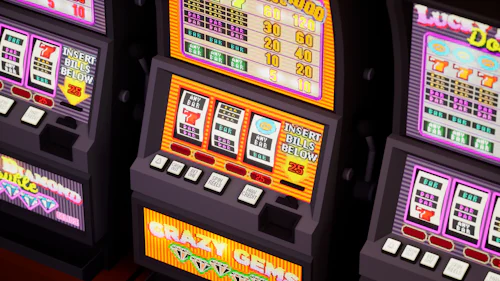
Furthermore, the notion of “near misses” in slot machines can skew player perceptions of luck. These occurrences create the illusion that a win is just around the corner, which can lead to increased playtime and greater investment in the game. Understanding these design strategies can shield players from falling prey to deceptive perceptions of luck, allowing them to recognize when to walk away and avoid prolonged gambling periods.
Recognizing the impact of game design also empowers players to make more informed choices about where and how they gamble. By selecting games with transparent odds and less manipulative mechanics, players can enjoy a more honest gaming experience. In this way, a heightened awareness of game structure can transform how individuals approach luck in gambling, making it more of a companion rather than the sole driver of success.
Your Guide to Understanding Luck and Making Informed Choices
When navigating the often-misleading world of gambling, acquiring knowledge about luck and game mechanics can be invaluable. By understanding the roles of both luck and strategy, players can approach their gaming experiences with clarity and purpose. It is essential to engage with gambling as a form of entertainment rather than a pursuit of fortune, which can help maintain a healthy relationship with the activity.
Moreover, responsible gambling practices should be at the forefront of any player’s mind. Setting limits on time and spending can mitigate the negative consequences often associated with chasing luck. By fostering an awareness of both the mathematical elements and design influences behind games, players can protect themselves from the pitfalls of gambling addiction and learn to enjoy the thrill in a balanced manner.
Your journey into understanding luck doesn’t end here. It’s essential to continuously seek out information, whether through reading, participating in forums, or engaging with other players. This pursuit of knowledge not only enhances the gaming experience but also fosters a community of aware and responsible gamers who appreciate the blend of strategy and luck that defines the world of casino gaming.